
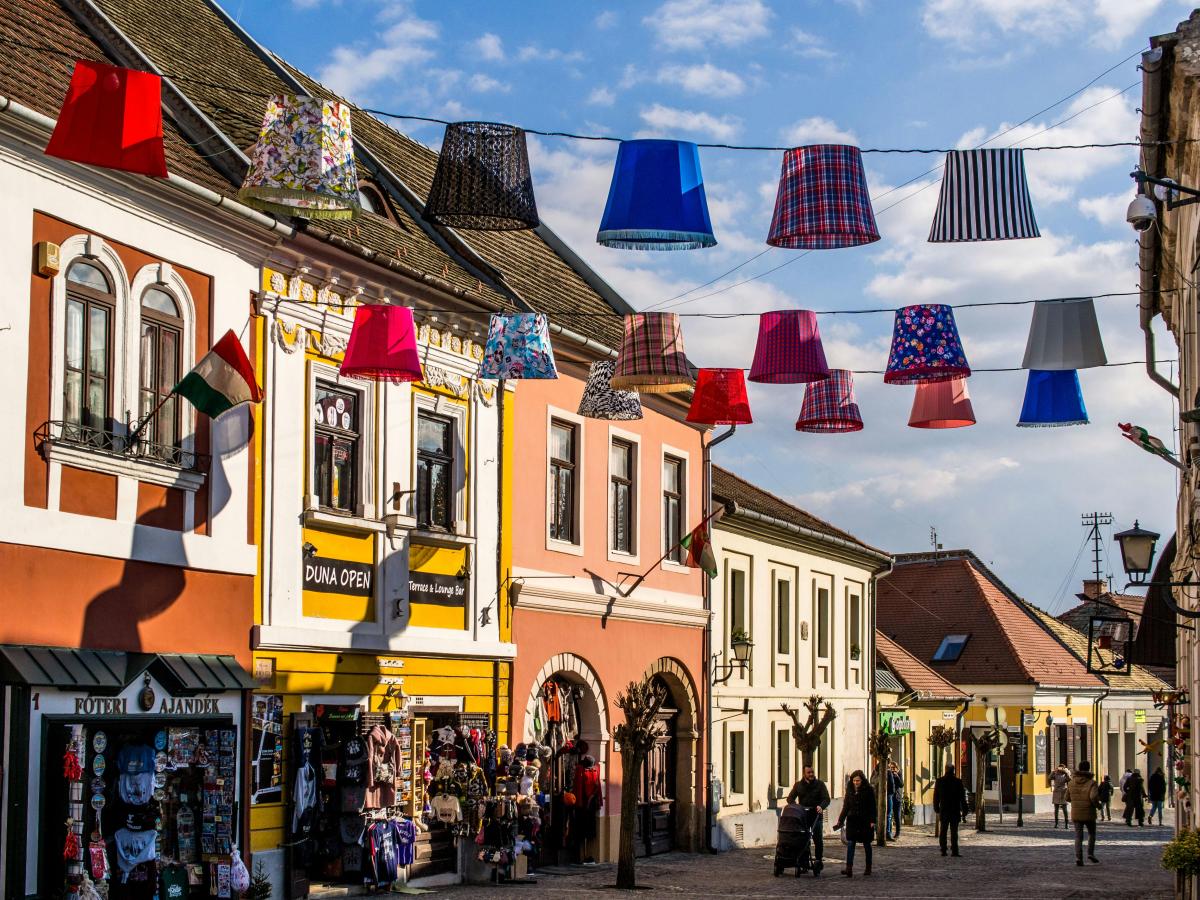
Szentendre is one of those places that people from Budapest tend to describe with a smile, because it feels like a real change of scene without the long travel day. You’re still on the Danube, still in the same general landscape, but the pace is different. The old center is small enough to explore on foot, and you can switch between quiet side streets and busy squares in a minute. And wow, do those streets feel so different from any other town in the region…
The reason for that is simple: Szentendre is a place where many different people left their marks over the centuries. Its narrow streets and Baroque houses tell a story of movement, community and change. Long before it became a museum-packed destination, the town grew through layers of settlement, destruction and settlement again.
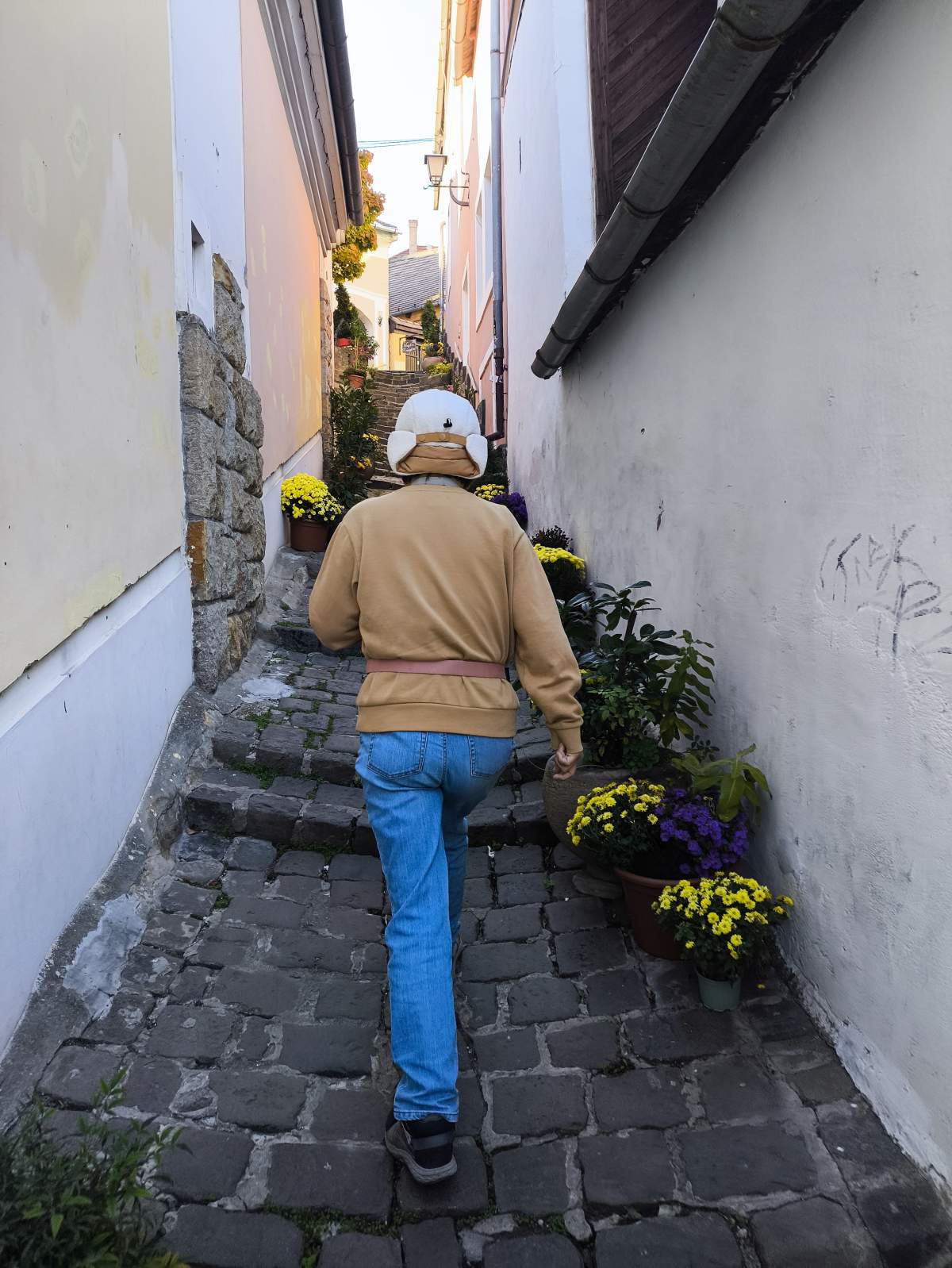
The earliest written record of Szentendre appears in a document from the year 1146 under the name “Sanctus Andreas,” which points to its long association with the Christian world. At that time the settlement had begun to take shape under the influence of the early Hungarian state and the nearby episcopal estates. But its deeper story involves migrations from outside the region that reshaped daily life here.
One of the most striking chapters begins after the Ottoman period. As Ottoman forces withdrew from Hungarian territories in the late 17th century, the medieval town was left largely in ruins, with only a single family still living there. In the decades that followed, people fleeing continued Ottoman rule in the Balkans began to arrive. Among them were Serbian Orthodox Christians, led in one major wave by figures such as Patriarch Arzenije Černojević III, as well as Croat and Greek settlers who also made Szentendre their new home. These newcomers brought their families, along with their traditions, languages, and faiths, and together they laid the foundations of a community that would shape Szentendre’s character for centuries.
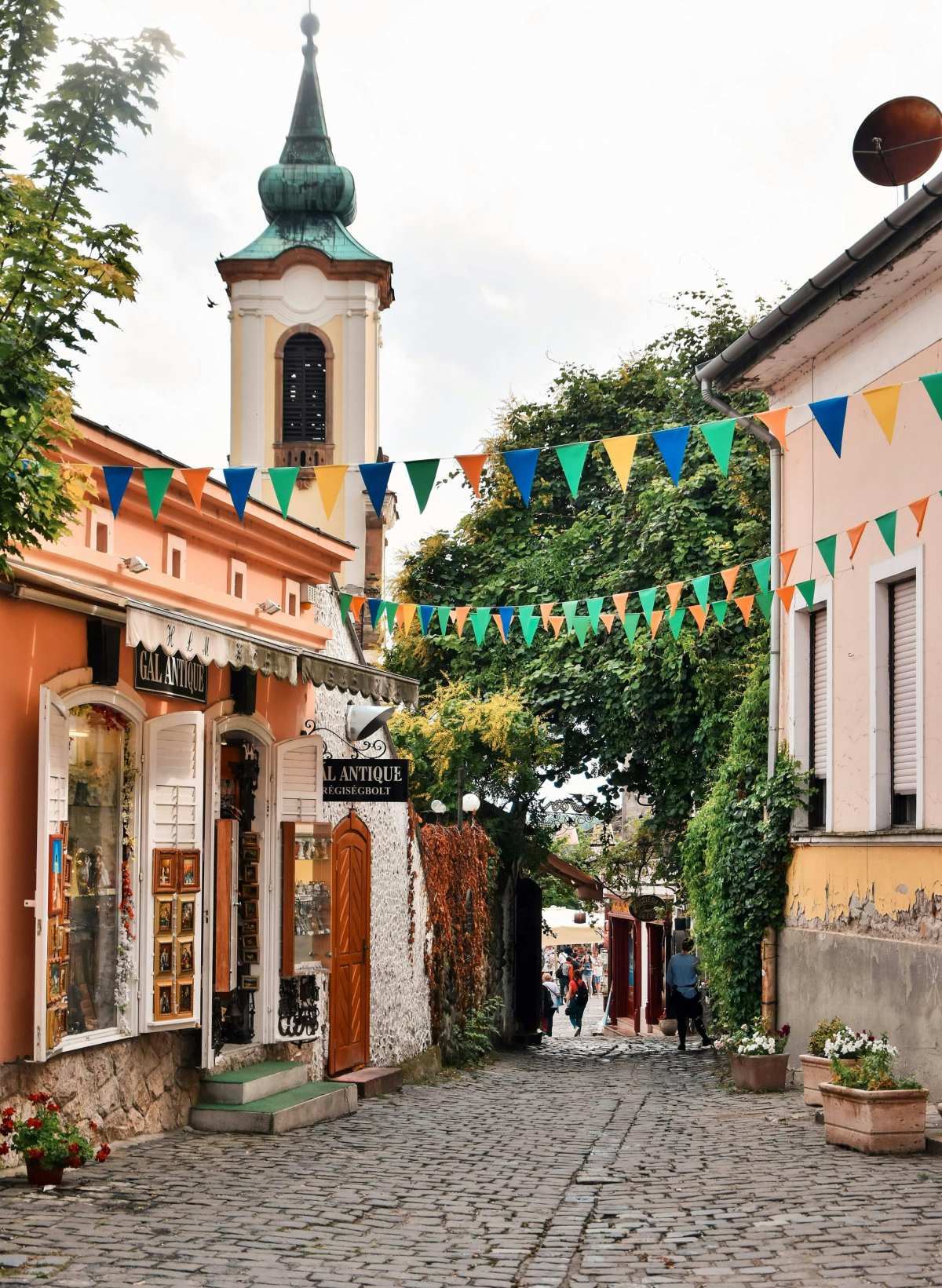
The influence of these settlers is visible in the town’s skyline and street life. Baroque mansions and narrow houses along streets like Dumtsa Jenő still reflect the style that Serbian, Croatian and Greek families introduced here as they established homes and businesses after the liberation from Ottoman rule. Many of these buildings had storage space for wine and goods at street level with living quarters above, a pattern that continues to catch the eye of visitors today.
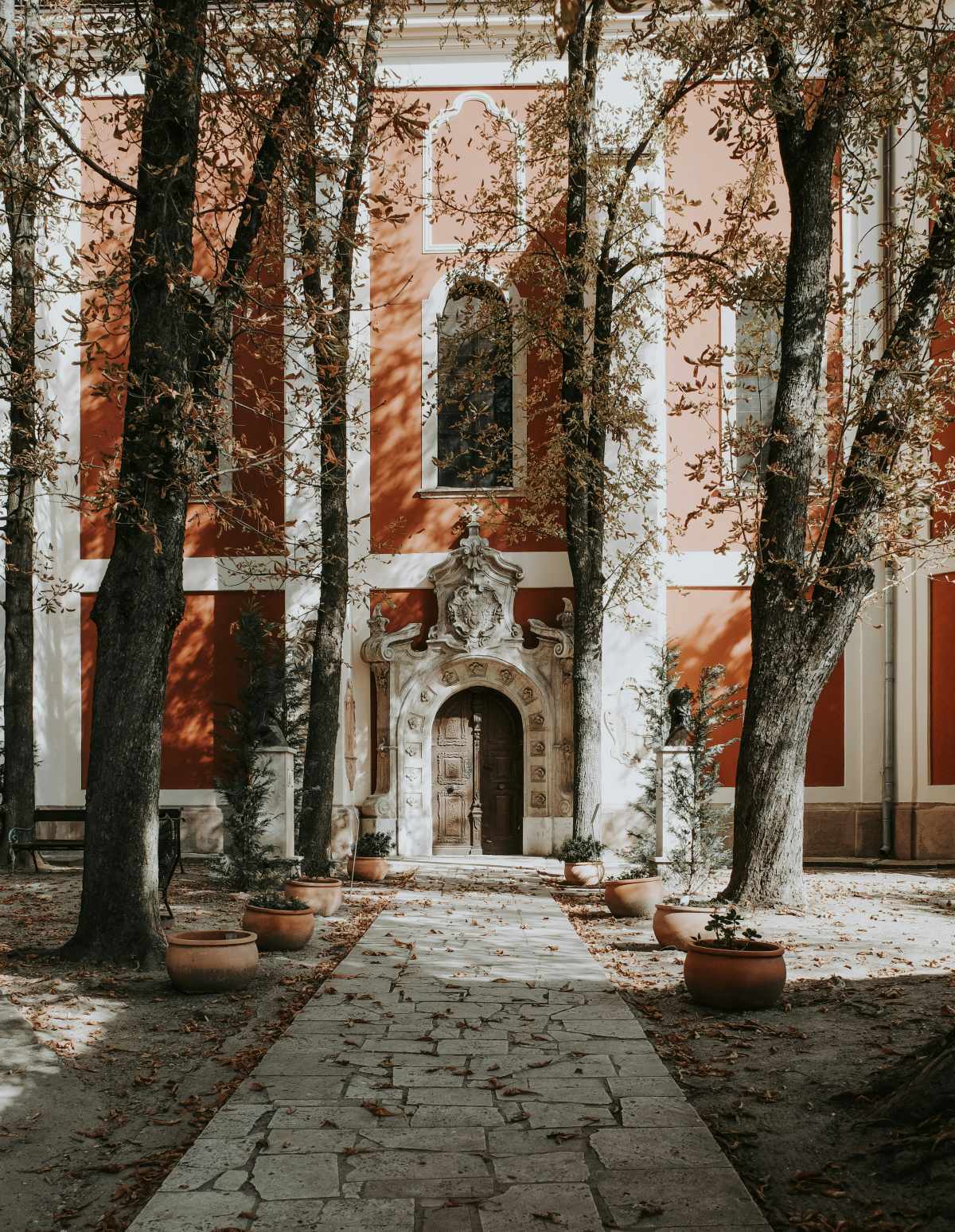
Churches in Szentendre also reflect this multi-ethnic story. You see multiple Serbian Orthodox churches, for example, different from the usual Hungarian Catholic church-town look. The Serbian Church Museum in Szentendre does a great job explaining how the Eparchy of Buda had its seat here, and how church life and art developed in Hungary after these migrations. Even if you’re not planning a museum-heavy day, it’s worth knowing why a town in Hungary has a “Belgrade Church” (the Cathedral of the Dormition) and an Annunciation church with its own story.
Beyond these major buildings, smaller details of local life hint at the diverse strands of settlement. In the old census records, by the early 1700s a majority of the town’s residents were speakers of South Slavic languages, a reflection of the Serbian and Dalmatian migration that shaped much of the population. Other groups, including Greeks and, later, Germans and Slovaks, also made homes here and contributed to the town’s everyday culture.
While Serbs left perhaps the most visible mark, the story would not be complete without mention of the Jewish presence in Szentendre. Community records and memorials tell of a Jewish community that grew in the 19th century, participating in local commerce and social life. Like many places in Central Europe, this community suffered greatly during the Second World War, and today a small synagogue — the smallest in the world, actually! — recalls those lives and the families who once lived here.

Walking along the Danube promenade or through the winding streets, you may pass courtyards and old cellars that date back to a time when grape growing and wine production played a central role in Szentendre. After the Ottoman era, southern settlers brought with them the skills of vine growing and winemaking, and by the 19th century wine and fruit were important to the local economy. This changed in the early 1880s, when a phylloxera epidemic destroyed much of the region’s vineyards. Many residents then turned to other trades and crafts (like ceramics, which is still big today), a shift that helped shape the town’s later character, even as traces of its wine-growing past remained in everyday spaces.

All of this contributes to why Szentendre feels different from other small Central European towns. It is not only an art and museum centre or a place with pretty streets by the river; it is a town shaped by movements of people, by newcomers building new lives after conflict, and by neighbours of different faiths and backgrounds living and working alongside one another for generations. That kind of history doesn’t always fit neatly into a headline or a postcard, but it can be felt simply by spending a day here, listening to local stories and watching the light shift across the Danube as history and life continue to intersect.
If this article sparked your interest in visiting Szentendre, you can book my Danube Bend Tour — which includes a stop in the town — below.

